
The Quiet Revolution on the Job Site
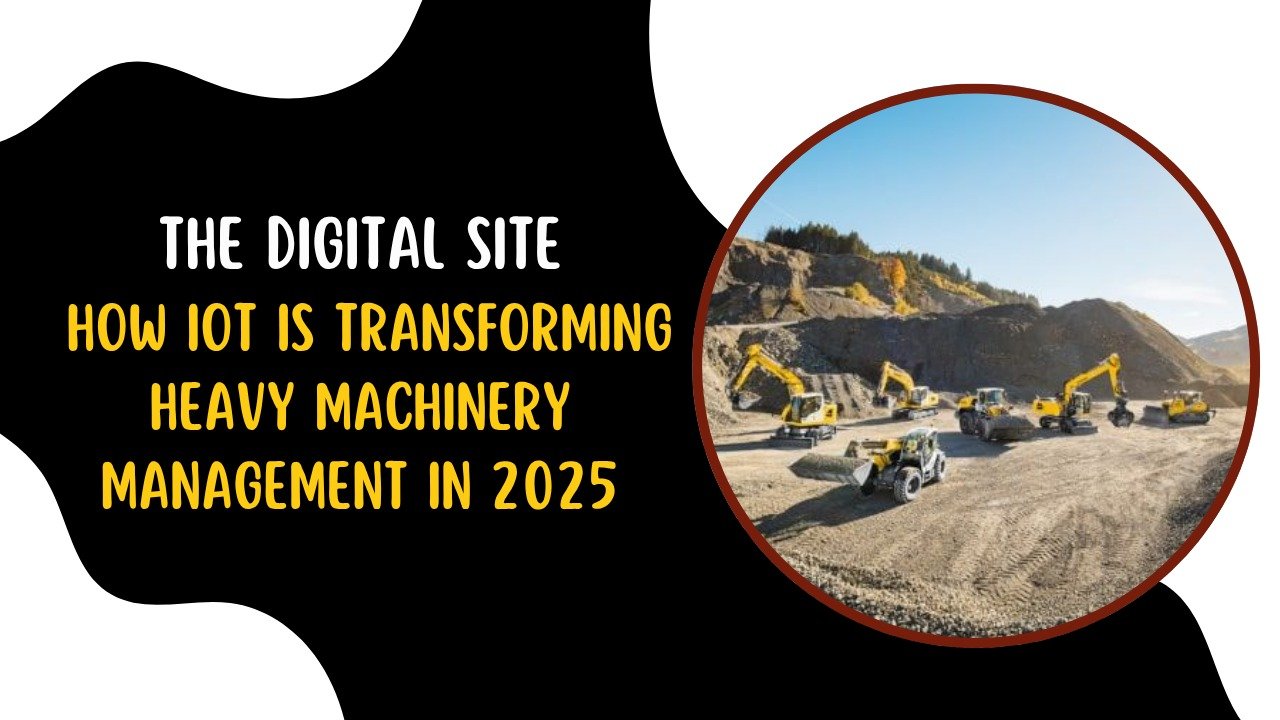
Walk onto a modern construction site in 2025, and you might notice something different. It’s not just the machinery—it’s the silence between the roars. It’s the sense of orderly, data-driven progress. The chaos is being methodically engineered out, and the catalyst for this change is the Internet of Things (IoT).
For decades, managing Power and Construction equipment was a reactive game. You ran machines until they broke, hoped your fuel wouldn’t be stolen, and made critical decisions based on gut feeling and paper logs. But that era is over. We’re now in the age of the Digital Site, where every machine, from the smallest kW generator to the largest crane, is becoming an intelligent, connected node in a vast network. This isn’t a futuristic fantasy; it’s the new reality delivering unparalleled efficiency, safety, and profitability.
What is IoT, and Why Does it Matter for a Digger?
In simple terms, the Internet of Things (IoT) means embedding everyday physical objects with sensors, software, and other technologies to connect and exchange data with other devices and systems over the internet. For Heavy Machinery, this means your excavator, loader, or generator is no longer a “dumb” piece of metal. It’s a smart, data-generating asset that can tell you exactly what it’s doing, how it’s feeling, and what it needs.
This fusion of digital intelligence and physical brute force is creating a seismic shift in how we manage Power and Construction projects. It’s the difference between guessing and knowing.
The Game-Changers: 4 Ways IoT is Reshaping the Industry
The transformation is happening right now across four key areas:
1. Predictive Maintenance: From Breakdowns to Forethought
This is perhaps the most significant benefit. Instead of waiting for a catastrophic engine failure that halts your project for days, IoT sensors monitor the machine’s vital signs in real-time.
- How it works: Sensors track engine temperature, oil pressure, vibration levels, and fluid contamination.
- The Result: The system alerts you before a part fails. It can tell you, “The hydraulic oil in Excavator #12 shows metal particulates and needs changing within 50 operating hours to prevent pump failure.” This allows you to schedule maintenance during planned downtime, avoiding colossal repair bills and project delays. This is a game-changer for ensuring the reliability of critical kW generators on sensitive sites.
2. Real-Time Performance and kW Power Monitoring
Is your machinery working at peak efficiency? IoT answers that question with hard data.
- How it works: Telematics units track fuel consumption, idle time, actual kW power output, and overall utilization.
- The Result: You can identify machines that are guzzling fuel due to inefficient operation or are sitting idle for 40% of the day. This data allows you to right-size your fleet, redeploy underutilized assets, and train operators on more efficient practices. You can precisely measure the true cost-per-hour of every asset, bringing a new level of financial clarity to your projects.
3. Enhanced Security and Theft Prevention
Equipment theft has always been a multi-crore nightmare for the industry. IoT is a powerful deterrent.
- How it works: GPS trackers and geofencing alerts are now standard. You get an immediate notification on your phone if a machine moves outside a pre-defined virtual boundary (a geofence) or is started outside of working hours.
- The Result: You can track the real-time location of stolen assets and recover them quickly. This not only protects your investment but also significantly lowers insurance premiums.
4. Data-Driven Fleet Optimization and Utilization
Many companies own or rent more equipment than they need “just in case.” IoT data eliminates the guesswork.
- How it works: By analyzing utilization data across your entire fleet, you get a crystal-clear picture of what machinery is essential and what is redundant.
- The Result: You can make smarter, more cost-effective decisions about your Heavy Machinery strategy. It empowers you to confidently scale your rental fleet up or down based on actual project needs, ensuring you only pay for the kW power and equipment you truly use. This strategic approach to Power and Construction resource management is the key to maximizing ROI.
The Human Element: Empowering Smarter Decisions
A common fear is that this technology will replace people. The reality is the opposite. IoT doesn’t replace project managers and engineers; it empowers them. It takes the guesswork out of their jobs and provides them with a powerful, data-driven dashboard to:
- Allocate resources with precision.
- Provide actionable feedback to operators.
- Forecast budgets and timelines with greater accuracy.
- Ensure safety and compliance through digital logs.
The role shifts from reactive firefighting to proactive, strategic management.
The Future is Connected: Are You Ready?
The integration of IoT in Power and Construction is not a passing trend; it’s the foundation of Industry 4.0. The sites that adopt this technology today are building a formidable competitive advantage. They will win bids by delivering projects faster, safer, and under budget.
At ARSL, we are not just watching this revolution—we are actively participating in it. We are committed to integrating smart technology into our service offerings, from our advanced kW generator rental services with remote monitoring to our evolving fleet of connected Heavy Machinery. Our goal is to provide our clients with not just power and equipment, but with the intelligence to use them most effectively.
Ready to build smarter? Contact the ARSL team today to discuss how modern, data-driven equipment solutions can transform your next project’s efficiency and bottom line.