
There’s a distinct shift in the air as September unfolds. The intense summer heat begins to wane, replaced by a humidity that promises relief. But for any home, business, or facility manager in Pakistan, this change in weather brings a critical question: Is our backup power system ready for the monsoon?
The monsoon isn’t just about rain; it’s a test of your preparedness. It’s when the grid is most vulnerable, and a reliable power supply becomes non-negotiable. A monsoon generator isn’t a luxury; it’s your first line of defence against downtime, data loss, and operational chaos.
But a generator that worked perfectly in the dry winter can fail you in the humid, stormy days of September. This isn’t about pessimism—it’s about proactive planning. Use this simple, actionable checklist to ensure your monsoon generator is not just present, but truly prepared.
Your 5-Point Monsoon Generator Readiness Checklist
Run through these five steps now, before the dark clouds gather. It could save you from a costly and stressful power failure.
1. The Physical Inspection: A Look Under the Hood
Start with the basics. A visual inspection can reveal a lot.
- Check for Corrosion & Damage: Look for any signs of rust, especially on the control panel, battery terminals, and the exterior casing. Monsoon humidity accelerates corrosion.
- Inspect the Fuel System: Check the fuel tank, lines, and filters for any leaks, blockages, or water contamination. Stagnant water in the fuel tank is a common monsoon culprit that can cripple your engine.
- Examine the Air Filter: A clogged air filter forces the engine to work harder, reducing efficiency and increasing fuel consumption. Ensure it’s clean and dry.
- Assess the Enclosure: If your generator is housed in an enclosure or canopy, ensure it’s secure, waterproof, and that the ventilation outlets are clear of debris to prevent overheating.
2. The Fuel & Fluid Health Check
Your generator’s lifeblood is its fuel and oil. Don’t neglect them.
- Fresh Fuel is Key: Diesel can develop algae and sludge (known as “diesel bug”) when stored for long periods, especially in humid conditions. If your fuel is more than 3-6 months old, consider a professional fuel polishing service or a safe replacement.
- Use Fuel Stabilisers: For long-term standby generators, adding a fuel stabiliser and biocide can prevent degradation and microbial growth.
- Check Oil Levels: Ensure the engine oil is at the correct level and appears clean. Dark, gritty oil needs to be changed.
- Coolant Level: Check the coolant level in the radiator/expansion tank. A proper coolant mix is essential to prevent overheating and freezing.
3. The Electrical Systems & Battery Test
This is where many generators fail unexpectedly.
- The Heart of the Start: The Battery: The battery is the most common point of failure. Check for corrosion on the terminals and clean them with a wire brush. Use a multimeter to test the voltage; a reading below 12.4V for a 12V battery indicates it needs a charge or replacement. Monsoon conditions can drain batteries faster.
- Tighten Connections: Ensure all electrical connections are tight. Vibration over time can loosen them, leading to poor performance or failure.
- Test Control Panel Alarms: Ensure all warning lights and alarms on the control panel are functional.
4. The Operational Test: A Dry Run Under Load
A generator that starts but fails under load is worse than useless. You need to know it can handle the demand.
- Start the Generator: Let it run for at least 30 minutes. Listen for any unusual noises like knocking or excessive vibration.
- Test the Automatic Transfer Switch (ATS): If you have an ATS, this is critical. Simulate a power outage by switching off the main utility supply. The generator should start automatically, transfer the load, and then retransfer back to the grid when you restore mains power.
- Apply a Significant Load: Don’t just test it idle. Switch on your essential equipment to apply at least a 40-50% load. This tests the engine’s ability to handle the stress and verifies the output in kW is stable. Watch for any smoke, stuttering, or voltage fluctuations.
5. The Site & Safety Audit
Your generator doesn’t operate in a vacuum. Its environment matters.
- Clear the Area: Ensure the area around the generator is free of leaves, paper, and other flammable debris that could be drawn into the ventilation system or pose a fire risk.
- Check Drainage: Is your generator pad located in a spot that could flood? Ensure the drainage around it is clear so water doesn’t pool and submerge the base or enter the exhaust.
- Verify Fire Safety: Ensure a working fire extinguisher (ABC type) is mounted nearby and is easily accessible.
When to Call the Professionals
While this checklist covers the basics, some tasks require a certified expert. If you encounter any of the following, it’s time to call a professional service like ARSL:
- Persistent error codes or alarm signals.
- Excessive black or white smoke from the exhaust.
- Inability to hold a load or fluctuating voltage.
- Any signs of major fuel or coolant leaks.
- If it’s been more than 6 months since its last professional service.
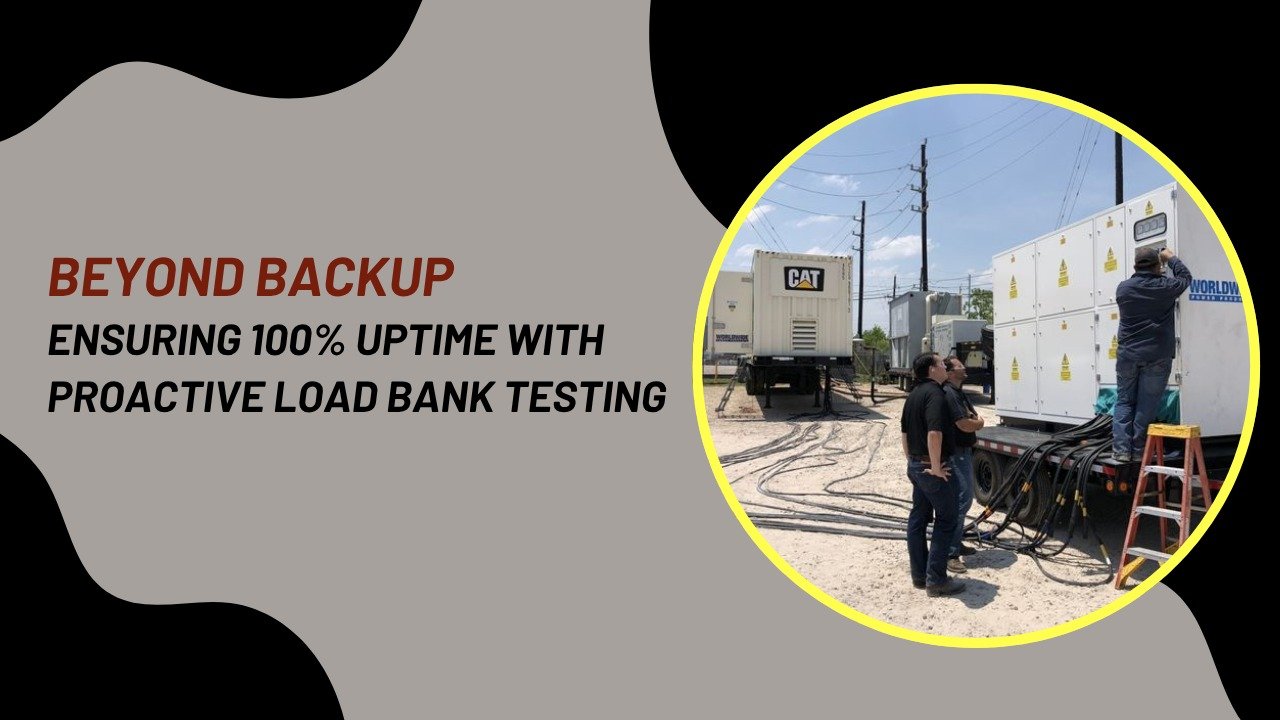
A professional service will conduct a more thorough inspection, including load bank testing, which is the ultimate test of a generator’s health, especially after a long period of inactivity.
The ARSL Monsoon-Ready Promise
At ARSL, we understand that peace of mind is priceless during the monsoon. If your current generator is failing this checklist or you don’t have a backup at all, we’re here to help.
We offer:
- Reliable Monsoon Generator Rentals: Our fleet of generators, from compact units to high-kW industrial powerhouses, is meticulously maintained and ready to deploy.
- Emergency Support: We provide 24/7 support to ensure you’re never left in the dark during a storm.
- Professional Maintenance Services: Let our certified technicians conduct a comprehensive pre-monsoon service, so you can be 100% confident in your system.
Conclusion: Don’t Wait for the Storm to Test Your Defences
The first downpour of the monsoon is the worst time to discover your backup power system has a flaw. Taking a few hours in September to run through this checklist is a small investment that pays massive dividends in reliability and safety.
A prepared monsoon generator is more than just a machine; it’s the assurance that your life and business will continue uninterrupted, no matter what the weather brings.
Is your generator monsoon-ready? If you’re unsure, don’t risk it.
Let our experts give you complete peace of mind. Schedule a professional inspection or explore our reliable rental options today.
Contact ARSL now to ensure your power is as reliable as the monsoon rain.