



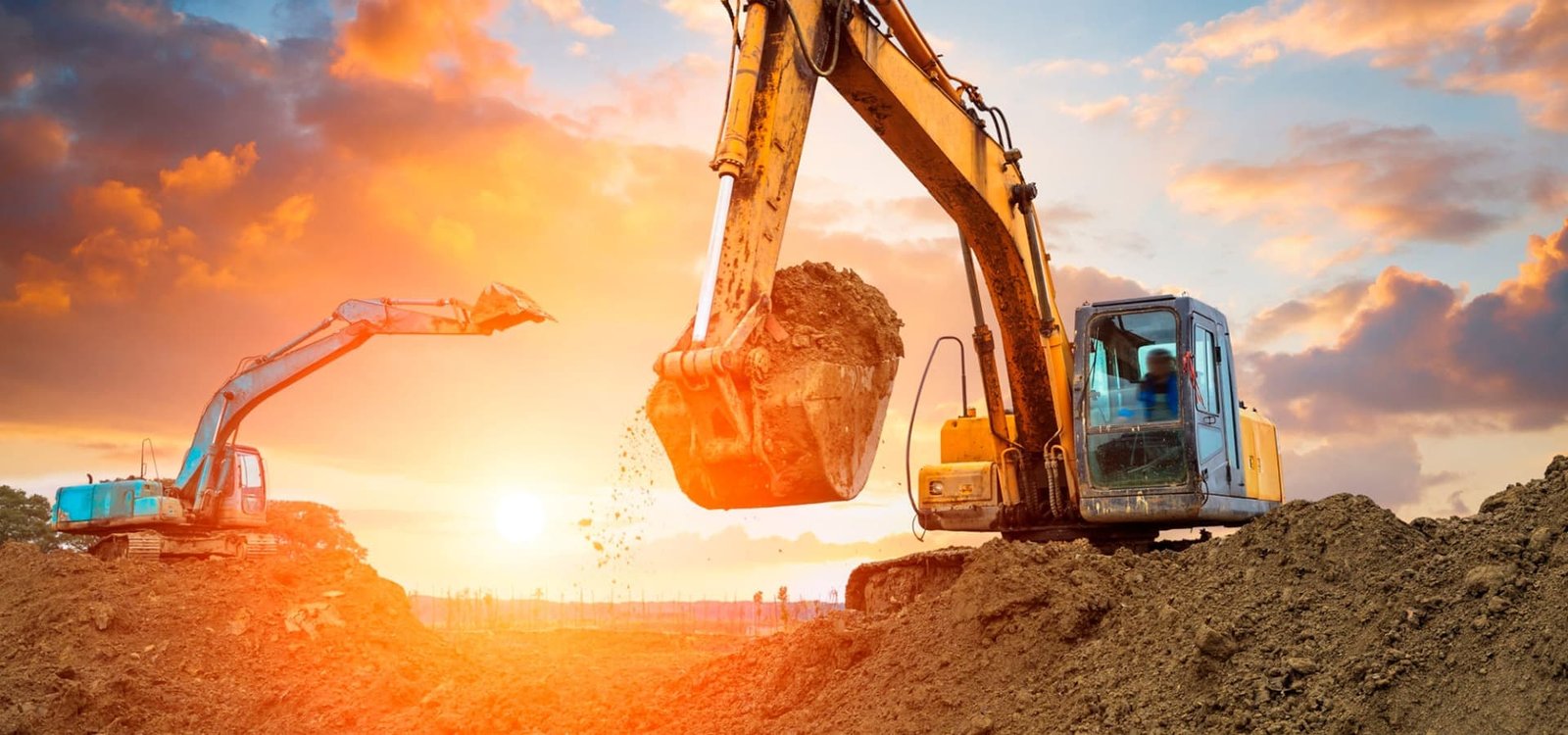
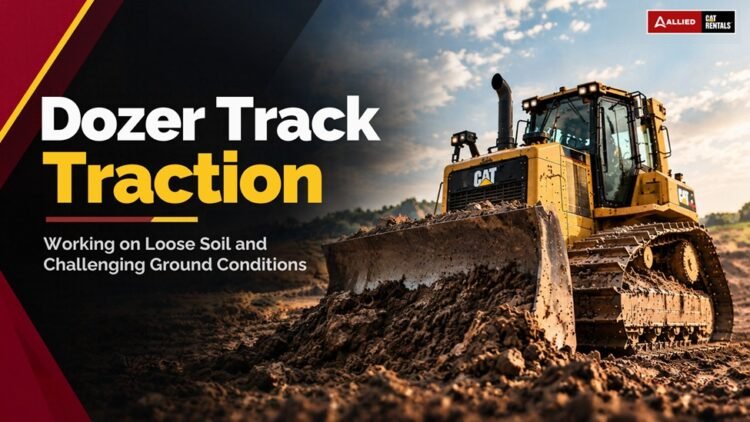
Operating a dozer on loose soil, wet ground, or uneven surfaces can be challenging. The machine needs enough traction to push material, move across the worksite, and maintain control during earthmoving tasks. When the tracks struggle to grip the ground, productivity can decrease, and unnecessary track slippage may occur. Understanding how dozer track traction works helps operators and construction teams make better decisions about ground conditions, machine setup, and daily operations.
What Is Dozer Track Traction?
Dozer track traction is the grip between the machine’s tracks and the ground. This grip allows the dozer to move forward, push soil, clear material, and perform earthmoving work. Unlike wheeled machines, a dozer uses continuous tracks to distribute its weight over a larger contact area. This design can help it work on different surfaces, including loose soil and rough terrain. However, traction still depends on the condition of the ground, track design, machine weight, and operating technique. When the tracks cannot maintain sufficient grip, they may spin without moving the machine forward effectively. This wastes power and can disturb the ground surface.
How Ground Conditions Affect Dozer Traction
Loose and Sandy Soil
Loose sand and dry soil can shift under the tracks, making it difficult for the machine to maintain a firm grip. Excessive track spinning can dig the tracks deeper into the surface and make forward movement harder.
Operators should use smooth movements and avoid sudden changes in direction. Selecting an appropriate travel path can also help reduce unnecessary slippage.
Wet and Muddy Ground
Wet soil and mud can reduce traction because the ground becomes soft and unstable. Mud may also collect around the tracks and undercarriage, affecting machine movement.
Before operating, teams should assess the ground and identify areas where the dozer could become stuck. Cleaning accumulated mud from the undercarriage and carrying out regular inspections can help maintain reliable operation.
Uneven and Rocky Surfaces
Uneven ground can affect how the tracks contact the surface. Large rocks, slopes, and abrupt changes in ground level may make machine movement less stable.
Operators should assess the terrain before moving, avoid unsafe slopes, and choose a suitable route. Proper site preparation can also make dozer operations more manageable.
Factors That Influence Dozer Track Traction
Track design: Different track configurations suit different ground conditions. The appropriate setup depends on the machine and the type of work being performed.
Track condition: Worn or damaged track components can affect machine performance. Regular inspections help identify problems before they become more serious.
Ground pressure: The machine’s weight and track contact area influence the pressure applied to the ground. Lower ground pressure may help in some soft-soil conditions, but the correct configuration depends on the application.
Operating technique: Sudden turns, excessive pushing, and unnecessary track spinning can reduce efficiency. Smooth operation helps maintain traction and limits ground disturbance.
How to Improve Dozer Traction on Difficult Terrain
Improving traction starts with understanding the ground before work begins. Operators should inspect the site, identify soft or unstable areas, and plan suitable travel paths. Choosing the correct dozer configuration for the application is equally important. The tracks should be inspected regularly, and any worn or damaged components should be addressed according to the manufacturer’s recommendations.
Operators should also avoid forcing the machine through ground conditions beyond its capabilities. If the tracks begin spinning excessively, adjusting the operating approach may be more effective than continuing to push. On steep or unstable ground, the work should follow the manufacturer’s operating limits and appropriate site safety procedures.
Choosing the Right Dozer for Earthmoving Operations
Selecting a suitable dozer depends on the type of material, ground conditions, work area, and amount of material that needs to be moved. A machine that performs well on firm soil may require a different track configuration for softer terrain. For construction projects involving site preparation, land clearing, or earthmoving, businesses should consider the machine’s operating capabilities alongside the demands of the worksite.
ARSL offers construction machinery, including Caterpillar dozers, for projects that require earthmoving equipment. Choosing equipment that matches the ground conditions and job requirements can help teams plan their operations more effectively.
Frequently Asked Questions
1. What causes a dozer’s tracks to slip?
Track slippage can occur when the ground is too loose, wet, or unstable to provide sufficient grip. Incorrect operating techniques and unsuitable track configurations can also contribute to the problem.
2. Are dozers suitable for loose soil?
Yes, dozers can operate on loose soil, but performance depends on the soil condition, track configuration, machine specifications, and operating technique.
3. How does track design affect dozer traction?
Track design influences ground contact, pressure distribution, and grip. The appropriate track configuration depends on the terrain and the work being performed.
4. Why is undercarriage maintenance important?
Regular undercarriage inspections help identify worn or damaged components, remove accumulated material, and support reliable machine performance.
5. How can operators reduce track slippage?
Operators can reduce unnecessary slippage by assessing ground conditions, using smooth controls, avoiding excessive pushing, and selecting suitable travel paths.
Conclusion
Dozer track traction plays an important role in earthmoving operations, especially when working on loose soil, muddy surfaces, or uneven terrain. Understanding ground conditions, maintaining the undercarriage, and selecting the appropriate track configuration can help improve machine movement and reduce unnecessary slippage.
For construction teams, the goal is to match the dozer to the job rather than rely on machine power alone. With proper equipment selection, site assessment, and operating practices, dozers can perform earthmoving tasks more effectively across a range of ground conditions.