


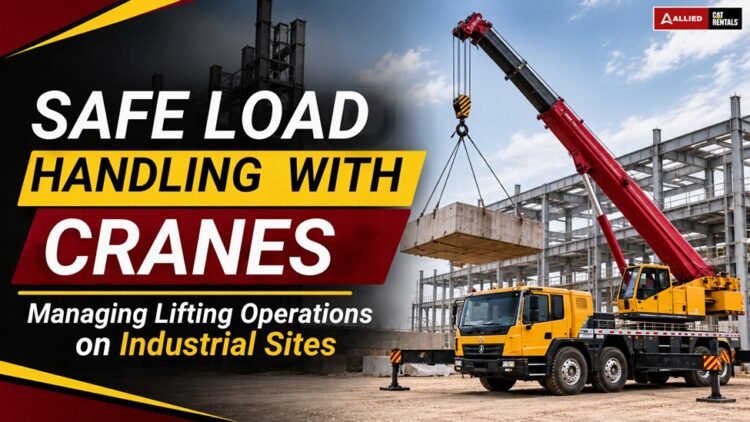
Crane operations play an important role in construction and industrial projects where heavy materials and equipment need to be lifted and moved. Proper load handling helps maintain control during lifting activities and supports safer working conditions on industrial sites.
Safe crane operations require attention to load weight, lifting capacity, equipment positioning, and the surrounding work area. Understanding these factors helps reduce operational risks and supports efficient material handling.
Understanding Safe Load Handling
Safe load handling begins with understanding the weight and dimensions of the material being lifted. Different lifting tasks require different equipment capacities, and selecting a crane that matches the load requirements is an important part of planning.
Before starting an operation, project teams should consider the weight of the load, the required lifting capacity, and the distance over which the material needs to be moved. These factors help determine which crane is suitable for the task.
Factors That Affect Crane Lifting Operations
- Load Weight: The weight of the material should match the crane’s lifting capacity to support controlled lifting operations.
- Crane Positioning: The crane should be positioned according to the requirements of the lifting task and available working space.
- Site Conditions: Ground conditions and surrounding obstacles can influence crane placement and movement.
- Equipment Selection: Different projects require different crane capacities and configurations depending on their lifting requirements.
- Operator Experience: Skilled operators play an important role in managing crane operations and handling loads appropriately.
Choosing the Right Crane for Industrial Applications
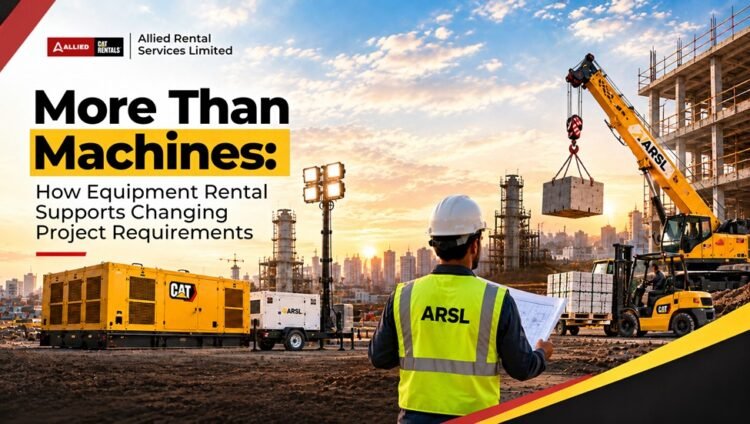
Crane selection depends on the type of work, lifting requirements, and site conditions. Truck-mounted cranes can support applications where road mobility and lifting capabilities are required, while rough-terrain cranes are suitable for projects involving off-road working conditions.
Allied Rental Services Limited (ARSL) provides SANY crane rental solutions ranging from 20 to 160 tons. Its fleet includes truck-mounted and rough-terrain crane options to support different lifting requirements. ARSL also offers specially designed 10-ton and 12-ton self-loading trucks. These vehicles combine lifting and transportation capabilities, providing a solution for projects that require both services.
The Importance of Skilled Operators and Equipment Quality
Equipment quality and operator experience are important considerations in crane operations. Skilled operators help manage lifting activities according to the equipment’s capabilities and the requirements of the job.
ARSL supports its crane rental services with a skilled workforce and equipment from SANY, a recognized crane manufacturer. The company focuses on meeting safety and quality standards, particularly at critical sites where lifting operations require careful planning and equipment selection. Choosing suitable equipment and experienced operators helps businesses manage lifting and transportation requirements across different industrial and construction applications.
Frequently Asked Questions
1. Why is safe load handling important in crane operations?
Safe load handling helps maintain control during lifting activities and supports organized operations at construction and industrial sites.
2. What factors should be considered before lifting a load?
Load weight, crane capacity, equipment positioning, ground conditions, and the requirements of the lifting task should be considered.
3. How does crane capacity affect lifting operations?
Crane capacity determines the weight a crane can lift under specified operating conditions. Selecting equipment with suitable capacity is essential for the lifting task.
4. What types of cranes does ARSL provide?
ARSL offers SANY cranes ranging from 20 to 160 tons, including truck-mounted and rough-terrain crane solutions.
5. Does ARSL provide self-loading trucks?
Yes. ARSL provides specially designed 10-ton and 12-ton self-loading trucks that offer both lifting and transportation capabilities.
Conclusion
Safe load handling is an important part of managing crane operations across construction and industrial sites. Understanding load requirements, selecting suitable equipment, considering site conditions, and working with skilled operators all contribute to organized lifting activities.
With its SANY crane fleet ranging from 20 to 160 tons, along with 10-ton and 12-ton self-loading trucks, Allied Rental Services Limited provides lifting and transportation solutions for different project requirements.